
KARTING
UPCOMING EVENTS & COMPETITIONS
22 JULY–1 AUGUST 2026
Kart World Championship
Vandel, Denmark
An international rental-kart championship with adult, junior, women’s and masters categories. Drivers aged 13 and over can enter without owning a kart.
22 AUGUST 2026
European Championship Rental Karting
Spa-Francorchamps, Belgium
An open international rental-kart event with supplied machinery, five qualifying heats and places for up to 80 drivers. Entry is listed at €225.
11–13 SEPTEMBER 2026
FIA Karting Arrive & Drive Asia-Pacific Championship
Macao
Junior and senior drivers compete using centrally supplied equipment, creating a more accessible route into FIA-level international karting.
Competition dates and arrangements may change. Confirm details with the event organiser before attending.
KARTING
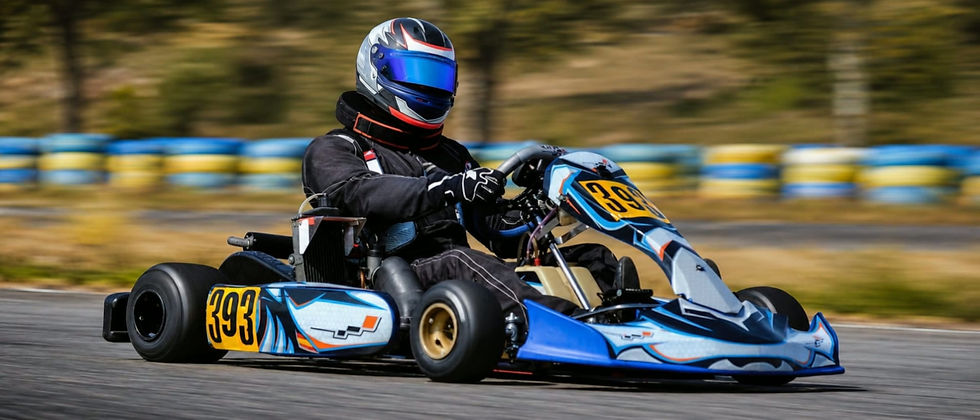
Karting is one of the purest and most accessible forms of motorsport. A kart is small, light and direct, which means the driver feels almost everything the machine is doing. There is little distance between the driver, the engine, the tyres and the track, so every movement matters. Braking too late, turning too sharply, missing an apex or losing momentum through a corner can change the outcome of a lap immediately.
The sport ranges from casual rental karting and indoor leisure circuits to serious outdoor racing, owner driver championships, endurance events, junior development programmes and international competition. Beginners can start with arrive and drive sessions, while more committed drivers can progress into club racing, regional championships, national grids and recognised motorsport pathways. This broad ladder is one of karting’s greatest strengths because it allows people to enter at different ages, budgets and levels of ambition.
Karting is physically tougher than it first appears. Drivers need concentration, stamina, race awareness, fast reactions and the ability to stay calm while surrounded by other competitors at speed. It also teaches the foundations of motorsport better than almost anything else. Racing lines, braking points, overtaking, defending, wet weather control, tyre management and mechanical setup all become part of the learning process.
For children, karting can be an early route into competitive motorsport. For adults, it can be a serious hobby, a club racing discipline, a team activity or a practical way to experience real competition without the cost of full sized racing cars. At its best, karting is fast, technical, disciplined and addictive. It looks simple from the outside, but once the visor goes down, it becomes a genuine racing environment where skill, nerve and judgement decide who gets to the finish first.
THE KART AND EQUIPMENT


Karting equipment looks simple at first glance, but a racing kart is a compact motorsport machine built around weight, grip, gearing and driver control. A typical kart has no suspension, no differential and very little bodywork. The chassis itself acts as part of the handling system, flexing under load as the driver brakes, turns and accelerates. That makes karting extremely direct. The tyres, axle, seat position, frame stiffness and engine choice all change how the kart behaves.
A standard senior racing kart is usually around 1.8 metres long and roughly 1.3 metres wide, with a wheelbase commonly around 1,040 to 1,070 mm. Cadet and junior karts are smaller, often using shorter wheelbases around 900 to 950 mm depending on class and regulation. The basic frame is usually made from steel tubing, with a low seat, small steering wheel, exposed wheels, rear axle, chain drive and a compact engine mounted to the side or rear. Most karts use rear wheel drive, with braking usually handled by a rear disc brake. Higher performance gearbox karts may also use front brakes.
Rental karts are the most common starting point. These are built to survive heavy use at indoor and outdoor circuits, so they are usually heavier, stronger and slower than pure race karts. Many use four stroke petrol engines, often around 160 cc to 390 cc, producing anything from roughly 5.5 horsepower in beginner karts to 13 horsepower or more in faster adult rental machines. They often have protective bumpers, restricted engines, enclosed chain guards and simple seat adjustment so different drivers can use them safely.
Owner driver racing karts are lighter, sharper and more sensitive. Instead of being built mainly for durability, they are built for lap time. A competitive sprint kart may use a two stroke engine from around 60 cc in cadet classes to 100 cc, 115 cc or 125 cc in junior and senior classes. Power can range from modest beginner levels to well over 30 horsepower in serious senior racing. These karts are much lighter than rental machines, react faster to steering input and require more understanding of tyres, gearing, carburetion, engine temperature and chassis setup.
Cadet karts are designed for younger drivers. They are smaller, lighter and usually lower powered, with engines and restrictors chosen to keep speeds appropriate for the age group. Junior karts bridge the gap between cadet racing and adult competition, often using larger chassis and more powerful engines while still limiting output according to class. Senior karts are full sized competition machines for older teenagers and adults, with the widest range of categories, engine types and performance levels.
At the extreme end are gearbox karts, often called shifter karts in some countries. These use a 125 cc two stroke engine with a manual gearbox, usually six speeds, and can produce around 40 to 50 horsepower in a machine that weighs very little. They accelerate brutally, demand precise gear changes and require serious strength under braking and cornering. This is one of the closest forms of karting to full racing car intensity, because the driver must manage braking, throttle, steering and gear selection at the same time.
Electric karts are increasingly common, especially at indoor venues and modern leisure circuits. They use electric motors rather than petrol engines, giving instant torque, cleaner operation and less noise. Performance depends heavily on the venue and software settings. Some electric rental karts are deliberately restricted for mixed ability use, while stronger models can deliver sharp acceleration and consistent lap times with very little warm up. They are useful for commercial circuits because they reduce fumes, simplify maintenance and allow operators to tune performance electronically.
Tyres are one of the most important parts of a kart. Slick tyres are used in dry conditions and give maximum grip on a clean racing surface. Wet tyres have grooves to clear water and help the kart bite into a slippery track. Tyre pressure, compound, temperature and wear can change the character of a kart dramatically. A small pressure change can affect grip, stability and corner exit speed, which is why competitive karting quickly becomes a setup sport as well as a driving sport.
The driver’s equipment is part of the safety system. At organised levels, drivers usually need a proper motorsport helmet, kart suit, gloves, boots and often a rib protector. Rib protection matters because kart seats are hard, cornering loads are high and the driver’s torso takes repeated pressure through the seat. Neck collars or neck protection may be required or recommended in some junior categories. Visors, rain gear and underlayers become important when racing outdoors in changing weather.
A kart is therefore more than a small racing vehicle. It is a stripped down lesson in motorsport engineering. Engine size, chassis geometry, axle stiffness, seat position, tyre choice, gearing and driver weight all matter. Rental karting keeps the equipment simple enough for almost anyone to begin. Competitive karting opens up the mechanical side, where small setup decisions can decide whether a driver is fast, average or fighting the kart all day.


Simple Rules of Karting
Karting is a circuit racing sport where drivers compete to complete a set distance, number of laps or timed session faster than the other drivers on track. The winner is usually the driver who crosses the finish line first after the required number of laps, although some events are decided by fastest lap time, endurance distance, heat results or combined points across several races.
Karting can be run in different formats. Casual rental karting usually uses short timed sessions where drivers try to set the fastest lap or finish highest in a simple race. Competitive karting is more structured, often using practice, qualifying, heats, finals and championship points. The exact format depends on the venue, class and organiser.
Drivers must use the correct kart for their class. Classes are usually separated by age, engine type, weight, experience level or performance category. A beginner rental kart, a junior kart, a senior 125 cc racing kart and a gearbox kart are not treated as the same machine. In organised racing, karts may be checked before and after the event to confirm that the engine, chassis, tyres, bodywork, brakes and weight meet the rules.
A race normally begins from either a standing start or a rolling start. In a standing start, the karts line up on the grid and launch when the start signal is given. In a rolling start, the karts form up while moving behind a pace lap or controlled formation, then begin racing when the start signal is shown. Drivers must hold their correct position before the start and must not jump the start or gain an unfair advantage before racing has officially begun.
The basic driving rule is simple: race hard, but race under control. Drivers must keep their kart on the circuit, follow the marked track layout and avoid deliberate contact. Karting is close and physical because the machines are small and the racing is tight, but pushing, ramming, blocking dangerously or forcing another driver off the track can lead to penalties. A clean overtake is made by getting alongside, holding control and leaving reasonable racing room.
Overtaking is allowed where it can be done safely. The attacking driver is responsible for making a move without causing avoidable contact. The defending driver may protect position, but must not weave repeatedly, brake-test, turn in on a kart that is already alongside, or move unpredictably under braking. Good karting rewards decisive passing, not barging.
Track limits matter. Drivers are expected to keep the kart within the marked circuit boundaries. Running wide, cutting corners or using run-off areas to gain time or pass another driver can result in a warning, time penalty, place penalty or loss of the position gained. If a driver leaves the track by mistake, they should rejoin safely and without gaining an advantage.
Flags and light signals control the race. A green signal usually means the track is clear or racing has started. A yellow signal warns of danger ahead and normally means drivers must slow down and not overtake. A red signal stops the session. A blue signal warns a slower driver that a faster kart is approaching. A black flag usually means a driver must return to the pits or report to officials. A chequered flag marks the end of the race or session.
Safety equipment is essential. Drivers usually need a suitable helmet, kart suit or overalls, gloves and racing boots. In serious karting, this equipment must meet the required motorsport safety standards and be in good condition. Many drivers also use a rib protector, balaclava and neck support, especially in junior and outdoor racing. Motorsport UK specifically notes that helmets and overalls must carry the correct approved standard label, and that damaged equipment may not be accepted.
Mechanical safety is also part of the rules. The kart must have working brakes, safe tyres, secure bodywork, correct bumpers, protected moving parts and no loose components. Scrutineers may inspect the kart before racing and may also check it afterwards, especially if there is a protest, accident or suspicion that the kart does not comply with the class rules. Motorsport UK describes scrutineering as the process used to check that both PPE and karts comply with the relevant regulations before drivers go on track.
Penalties can be given for contact, dangerous driving, ignoring flags, jumping the start, gaining an advantage off track, underweight karts, illegal equipment or failing post-race checks. Common penalties include warnings, time penalties, position penalties, exclusion from a race or exclusion from the event. Motorsport UK’s karting driving standards work has focused on clearer rules of engagement, fairer decisions and more consistent penalties across events.
The exact rules vary by country, championship, class and venue. International karting is governed through FIA Karting regulations, while national bodies such as Motorsport UK publish their own competition rules, karting yearbooks and technical documents. Rental circuits also have house rules for minimum height, age, clothing, conduct and penalties. The safest approach is always to read the event rules before racing and listen carefully to the drivers’ briefing.
Income & Career Possibilities
Career & Income Opportunities in Karting
Karting can create income in several ways, but the paid route is very uneven. A small number of drivers use karting as a launchpad into professional motorsport, while many more people earn through coaching, mechanics, race team work, circuit jobs, events, equipment sales, media, kart preparation or venue management. For most beginners, the realistic starting point is rental karting, volunteering, part-time circuit work, local racing, helping a team or building experience around the paddock before moving into paid roles.
Driving / Competing Pathway
The driving pathway usually begins with rental karting, indoor sessions, outdoor arrive-and-drive events or junior karting. From there, a serious driver may move into rental leagues, club championships, owner-driver racing, regional events, national championships and, at the highest level, international karting. Some drivers then move into cars, such as junior saloons, touring cars, GT racing, rallying, single-seaters, endurance racing or professional simulator work.
The route can be understood as recreational first, then club competitor, then serious amateur, then national-level racer, then elite development driver. Income is rare at the lower levels. Most drivers spend money rather than earn it. Early income may come from small sponsorships, family business support, local backing, prize vouchers, free tyres, discounted parts or coaching opportunities created by being a strong driver. Proper paid driving usually arrives only when a driver reaches high-level motorsport, secures major sponsorship or becomes useful to a team, manufacturer, academy or commercial racing programme.
For most people, karting is not a direct income route as a driver. It is a skill-building route. The driver gains racecraft, mechanical understanding, confidence, discipline and contacts. The money usually comes later, either through wider motorsport progression or through services built around karting.
Coaching & Driver Training Pathway
Coaching is one of the strongest karting income routes because beginners, juniors and club racers often need practical help. A coach may teach racing lines, braking points, overtaking, defensive driving, wet-weather control, race starts, kart balance, fitness, race mindset and basic setup understanding. Coaching can begin informally through helping newer drivers, then progress into paid one-to-one sessions, junior training, rental league coaching, team coaching, academy work or professional driver development.
Income can come from private coaching, group sessions, track-day instruction, video analysis, data review, online coaching, junior development programmes or school holiday karting camps. A good coach does not need to be a famous professional driver, but they do need credibility, patience, communication skills, safety awareness and a clear ability to improve lap times. Many strong club racers can build part-time coaching income if they are trusted at their local circuit.
Mechanics, Tuning & Race Team Pathway
Karting creates a strong technical pathway for people who understand engines, chassis setup, tyres, brakes, gearing, chains, axles, seat position and race preparation. A kart mechanic may begin by maintaining their own kart, then helping friends, then working for a local team, kart shop, race school or circuit. This can lead into paid race weekend support, engine preparation, chassis tuning, data work, spares supply, kart rebuilding or wider motorsport technician roles.
This pathway is often more realistic than becoming a paid driver. Every serious karting paddock needs mechanics who can solve problems quickly. A driver may only be useful if they are fast, but a good mechanic is useful every weekend. Income can begin as small cash payments, labour fees, team work, setup support, parts fitting or race-day service. With experience, this can develop into a proper business preparing karts, supporting junior drivers, maintaining fleets or moving into car racing as a mechanic or race engineer.
Officiating, Marshaling & Track Safety Pathway
Karting needs officials, marshals, scrutineers, race directors, clerks of the course, timing staff, grid marshals and safety teams. The route usually begins with volunteering at a local club or circuit, learning race procedures, flags, incident handling, driver briefings, safety checks and event discipline. With experience and the correct national training, officials can progress into larger meetings, championship events and paid circuit or event roles.
Income at entry level is often low or expenses-based, but the role is valuable for anyone who wants to work inside motorsport. Officials understand how racing is actually run. They learn regulations, safety systems, race control, penalties, timing, entry management and paddock operations. This pathway suits people who are calm, organised, fair and able to make quick decisions under pressure.
Circuit, Venue & Event Management Pathway
Karting circuits are businesses as well as sporting venues. They need staff for reception, race briefings, kart maintenance, safety supervision, events, corporate bookings, birthday parties, school groups, leagues, catering, cleaning, marketing and customer service. A person may begin as a marshal, mechanic, receptionist or event assistant, then progress into session management, race direction, operations, venue management or circuit ownership.
Income can come from employment at indoor or outdoor karting venues, event hosting, corporate race nights, leagues, endurance events, junior academies, arrive-and-drive sessions and private hire. This is one of the most stable karting career routes because it is not dependent on becoming an elite driver. Good venue operators need commercial sense, safety discipline, staff management, maintenance planning and customer experience skills.
Content Creation & Media
Karting can support media work because the sport is visual, technical and easy for beginners to misunderstand. Content can cover beginner advice, onboard laps, racing lines, kart setup, driver mistakes, cost breakdowns, equipment reviews, championship coverage, interviews, team stories, crash analysis, simulator comparison and progression into cars. The strongest content usually teaches something useful rather than simply showing laps.
Income may come from YouTube, websites, sponsorships, affiliate links, photography, race reports, local advertising, social media work for teams, video editing, driver highlight reels or content packages for circuits. Generic motorsport content is crowded, but practical karting content has value because parents, beginners, junior drivers and new racers need clear explanations before spending money.
Equipment, Gear & Retail
Karting creates equipment income through helmets, suits, gloves, boots, rib protectors, neck supports, tyres, chains, sprockets, engines, chassis, axles, seats, data loggers, fuel, lubricants, tools, trailers and spare parts. This route can suit retailers, mechanics, small importers, kart shops, team owners, online sellers and second-hand resellers.
The progression usually begins with understanding what drivers actually buy and break. A person who knows the paddock can sell useful parts, maintain karts, fit equipment, advise beginners and source spares. The danger is stock cost. Karting retail can tie up money in parts that may sit unsold, so the best route is often service-led first: repairs, fitting, setup and advice, then retail once demand is proven.
Business & Ownership Pathway
At the top of the commercial side are kart teams, race schools, indoor venues, outdoor circuits, kart hire fleets, corporate event companies, junior academies, engine builders, equipment distributors and championship organisers. These businesses can generate serious income, but they also carry serious costs. Karts break, tyres wear out, engines need servicing, insurance matters, staff need training, safety must be controlled and venues need steady bookings.
The safest progression is to start close to the sport before investing heavily. Work at a circuit, race locally, help a team, coach part-time, maintain karts or organise small events first. Karting rewards people who understand the paddock before they try to sell to it. A strong karting business is built on repeat customers, safe operations, reliable equipment, clear pricing and a reputation for helping drivers improve.

KARTING
ORGANISATIONS
& LEAGUES
Here is a non-exhaustive set of organisations involved with Karting worldwide.

World Karting Association
The World Karting Association is one of the long-running kart racing bodies in the United States. It supports organised kart competition through rules, events, classes and racing structures for American drivers, clubs and tracks. It is useful for beginners trying to understand the traditional U.S. karting scene and for racers looking for recognised competition routes.
SuperKarts! USA
SuperKarts! USA, usually known as SKUSA, is a major American kart racing organisation known for high-performance karting, the SKUSA SuperNationals and the ProKart Challenge. It is especially relevant for drivers interested in serious sprint karting, shifter karts, national-level racing and competitive American karting pathways.
United States Pro Kart Series
The United States Pro Kart Series is a national kart racing series focused on IAME-powered classes. It gives ambitious American kart racers a structured national competition platform, with rules, schedules, results, technical oversight and championship standings. It is suitable for drivers moving beyond local club racing into stronger national competition.

Motorsport UK
Motorsport UK is the national governing body for four-wheel motorsport in the United Kingdom and is central to British karting licences, rules and competition structures. It also organises the British Kart Championships, making it the main reference point for drivers who want to race properly in the UK.

Motorsport South Africa / Karting South Africa
Motorsport South Africa is the national motorsport authority, while Karting South Africa is closely tied to organised karting competition and Rotax-style racing pathways in the country. The South African karting scene includes club, regional and national race days, with age-based classes from young children through to senior and masters categories.
.png)
IAME Euro Series
The IAME Euro Series is a major European karting championship built around IAME engine classes. It is useful for drivers who want competitive European racing without immediately entering the full FIA Karting ladder. IAME’s wider series network is large, with many national and international events connected to its karting ecosystem.

Karting Australia
Karting Australia is the national body responsible for governing, promoting and developing karting in Australia. It oversees rules, officials, licences, clubs and competition structures, making it the main starting point for Australian drivers, families, volunteers and officials entering the sport.

FIA Karting Arrive & Drive Asia-Pacific Championship
The FIA Karting Arrive & Drive Asia-Pacific Championship is part of FIA Karting’s newer accessible competition structure. The 2026 Asia-Pacific championship includes rounds in Macao, China and India, giving drivers in the region a clearer international-style pathway without needing to build a full private racing operation from scratch.
Rotax MAX Challenge
The Rotax MAX Challenge is one of the biggest one-make karting series in the world, built around Rotax engines and a structured national-to-international competition pathway. It operates across many countries and leads toward the Rotax MAX Challenge Grand Finals, making it useful for drivers looking for a clear global karting ladder.

PROMOTE YOUR EVENT TO THE RIGHT SPORTS AUDIENCE
Contact us with your event details, and we can help feature suitable events on the most relevant sports page for our visitors.
SIMPLE PROCESS
Send us the event name, date and location.
RELEVANT PLACEMENT
We help match your event to the right sports audience.
EXTRA VISIBILITY
Give your event more exposure to interested visitors
(Subject to fees)